
Master the art of eating nutritiously without breaking the bank — your complete budget guide starts here.
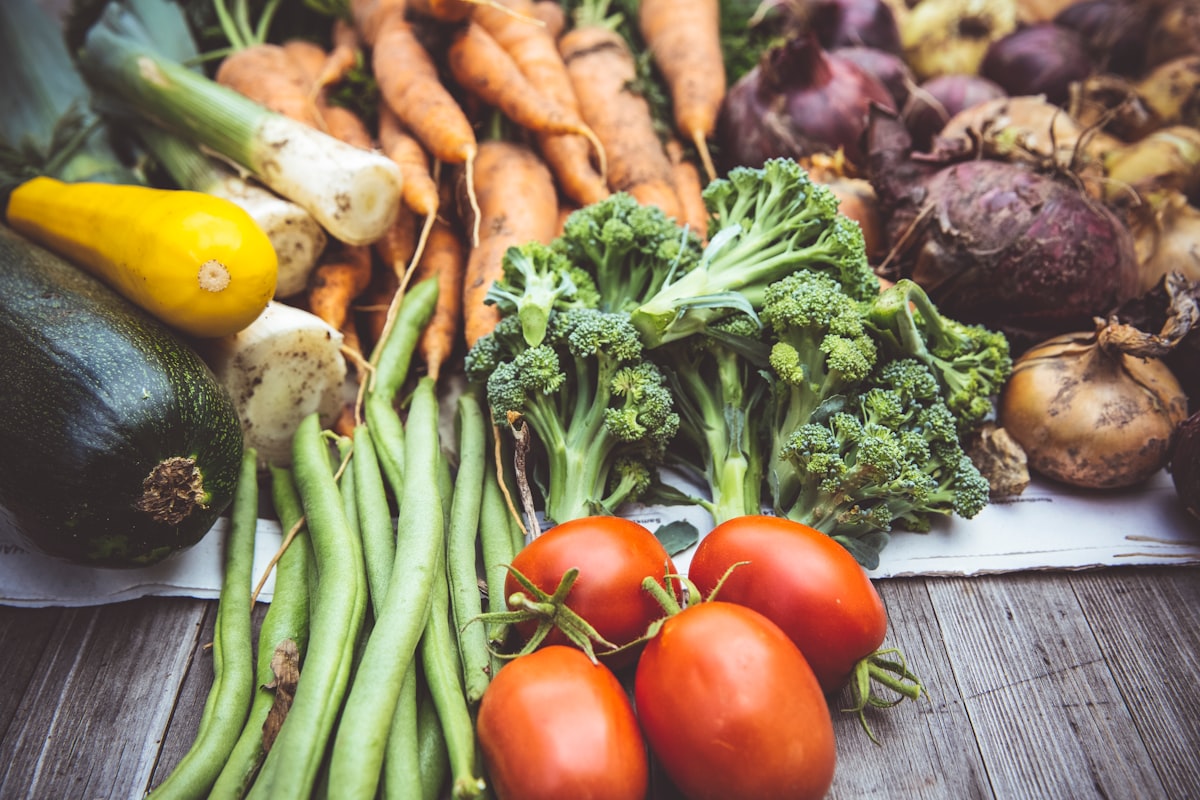
Eating Well on a Budget: Your Complete Guide
Learn proven strategies to nourish your body with wholesome foods while keeping your grocery bills low. At Healthdietexplore, we believe that financial constraints should never compromise nutritional wellbeing.
Whether you're juggling a tight household budget, managing student finances, or simply looking to spend smarter on food, our comprehensive guide covers meal planning, shopping tactics, ingredient selection, and delicious recipes that prove healthy eating is truly accessible to everyone.
Why Budget Eating Matters
Reduce Food Waste
Strategic planning cuts unnecessary spending and environmental impact.
Maintain Health
Nutritious meals don't require premium prices or exotic ingredients.
Build Savings
Every smart choice frees up resources for other life priorities.
Enjoy Variety
Budget ingredients offer endless cooking possibilities and flavours.
Smart Meal Planning on a Limited Budget
The foundation of budget eating is thoughtful planning. Rather than shopping impulsively or eating out frequently, a structured approach lets you buy what you need, reduce leftovers, and make intentional nutritional choices.
Our guide explores practical techniques: creating realistic weekly menus, building versatile grocery lists, understanding price-per-serving calculations, and using affordable staples like beans, lentils, grains, and seasonal vegetables to create satisfying, balanced meals.
- Plan before you shop: Weekly meal mapping prevents impulse purchases and food waste.
- Buy seasonally: Fruits and vegetables in season are cheaper and more flavourful.
- Master protein economy: Eggs, tinned fish, beans, and lentils deliver nutrition affordably.
- Leverage bulk purchases: Buy dry goods in larger quantities to lower per-unit costs.
Best Budget-Friendly Food Categories
Legumes & Pulses
Beans, lentils, and chickpeas are nutritional powerhouses packed with fibre, protein, and minerals. They cost pennies per serving and store well dry or tinned.
Use in soups, curries, salads, and stews for complete, filling meals.
Whole Grains
Rice, oats, pasta, and bread are affordable staples that keep you satiated. Buy in bulk and choose wholegrain varieties for better nutrition without premium costs.
Build meals around grains as the base, then add vegetables and protein.
Seasonal Vegetables
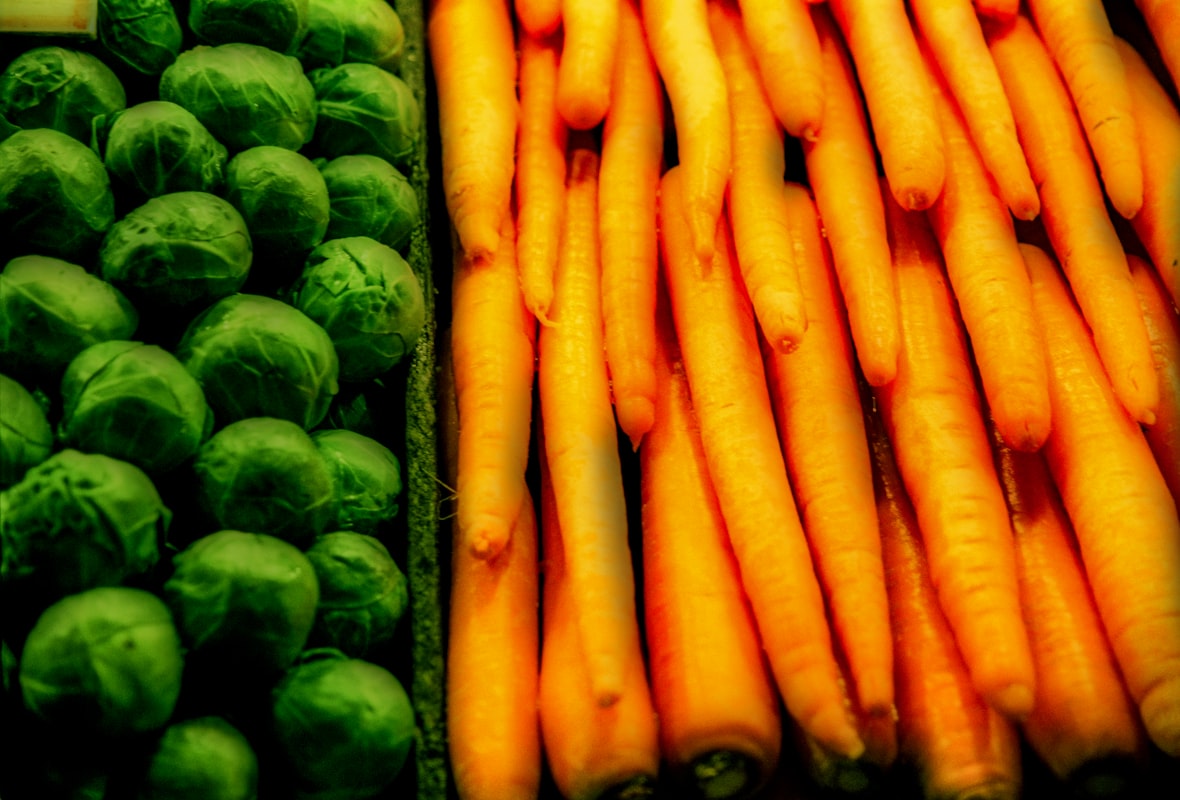
Root vegetables, leafy greens, and cabbages are cheap, durable, and nutrient-dense. Seasonal choices mean lower prices and peak flavour.
Roast, boil, stir-fry, or steam for versatile side dishes and soups.
Budget Proteins
Eggs, tinned fish, and cheaper cuts of meat stretch budgets while delivering essential nutrients. These versatile ingredients work in breakfast, lunch, and dinner.
Mix with grains and veg for balanced, affordable plates.
Frozen Produce
Frozen vegetables and fruit are often cheaper than fresh, last longer, and retain nutrients. They're nutritionally equivalent to fresh options.
Use straight from the freezer in curries, stir-fries, and smoothies.
Pantry Staples
Oil, vinegar, tinned tomatoes, spices, and salt create a foundation for countless dishes. Investing in quality basics multiplies your recipe options.
These shelf-stable items ensure you can cook nutritious meals any day.
Your 5-Step Budget Shopping Guide
Check Your Pantry
Inventory what you already have before shopping to avoid duplicates and spark creative meal combinations.
Plan Your Meals
Map out 5–7 days of breakfast, lunch, and dinner using affordable, nutritious ingredients you enjoy.
Build Your List
Write a detailed shopping list organized by store sections (produce, grains, proteins) to stay focused.
Shop Smart
Compare unit prices, buy own-brand options, and avoid shopping hungry or without your list in hand.
Prep & Store
Wash, chop, and portion ingredients when home to make cooking easier during busy weekdays.
Success Stories from Budget Eaters (*Individual results may vary)
FEATURED STORY
"
I was convinced eating healthily meant spending a fortune at organic shops. This guide completely changed my perspective. I now spend less than £4 per day on nutritious meals using the strategies outlined here. My energy levels improved, and I actually enjoy cooking again because I'm not stressed about cost. The recipe ideas are genuinely delicious — my family doesn't feel like we're 'budgeting' at all.
Sarah Mitchell
Manchester, UK
"
As a student with very limited funds, this guide was a lifesaver. I learned how to meal prep on Sunday and have healthy lunches ready all week. No more takeaways, and my bank balance finally looks healthier. The tips on buying in bulk and choosing tinned alternatives really made the difference.
James Chen
Birmingham, UK
"
Feeding a family of five on a single income felt impossible until I discovered this resource. The batch cooking strategies let me prepare meals ahead, and the seasonal vegetable tips cut my produce bill by almost half. My children are eating more veg now because I'm making it properly at home instead of relying on packaged foods.
Emma Rodriguez
Leeds, UK
"
I thought I had to choose between my budget and my health. This guide proved me wrong. The recipe collection is fantastic — simple, affordable ingredients that come together into real meals. I feel better now and I've learned how to save money on my weekly shopping. Genuinely grateful for this resource.
David Thompson
Edinburgh, UK
Stay Updated with Budget Eating Tips
Subscribe to our newsletter for fresh recipes, shopping strategies, and nutrition advice delivered straight to your inbox.
Frequently Asked Questions
How much can I realistically save by budgeting my meals?
Savings vary based on current spending habits and family size, but most people report 20–40% reductions in monthly food costs. By meal planning, buying seasonal produce, and utilising affordable proteins like legumes and eggs, you eliminate impulse purchases and reduce food waste, which accounts for much of the savings.
Is it truly possible to eat nutritiously on a tight budget?
Absolutely. Nutritious eating depends on whole foods — legumes, grains, vegetables, eggs, and basic proteins — not premium brands. These staples are inexpensive, filling, and nutrient-dense. The key is planning meals around them rather than relying on processed convenience foods, which typically cost more per serving.
What are the best budget proteins?
Eggs, tinned fish, dried beans, lentils, and chicken thighs (cheaper than breast) are excellent budget proteins. These deliver amino acids and satiety at a fraction of premium meat prices. Combining plant and animal proteins throughout the week maximises nutrition while minimising cost.
Should I buy own-brand or name-brand products?
Own-brand basics (rice, beans, tinned vegetables, oil) are nutritionally identical to branded versions and cost significantly less. Save name brands for items where quality noticeably differs. Always compare unit prices — larger packagings of own-brand items offer the best value.
How do I avoid food waste while eating on a budget?
Plan meals around ingredients you already have, buy only what you'll eat within realistic timeframes, and choose shelf-stable items (grains, legumes, tinned goods) that last longer. Batch cooking and freezing portions prevents spoilage, and creative 'leftover meals' mean nothing is wasted.
What's the best way to start meal planning if I've never done it before?
Begin simply: choose 3–4 breakfast options, 2–3 lunch ideas, and 3–4 dinners you enjoy, then repeat them weekly. Write a corresponding shopping list, buy only those items, and prepare. Once comfortable, gradually introduce variety. Most beginners find this approach less overwhelming and more sustainable than complex meal plans.
Ready to Transform Your Budget Eating?
Explore our complete guide to affordable meal planning, practical shopping strategies, and delicious recipes that prove healthy eating fits any budget.Browse Our Recipes & Guides